
Book Review
Phantasma - Wicked Series - Book One by Kaylie Smith


Introduction:
The story's haunting setting in early 20th-century New Orleans adds a cool mix of historical charm and spooky vibes to the narrative. Ophelia Grimm, our determined and tough main character, has to tackle the tricky challenges of the Phantasma competition. Her journey isn't just about wandering through the mansion's ghostly halls; it's also a deep emotional trip as she deals with her own inner demons and the pressure of her responsibilities.
The competition is a whirlwind of challenges, each designed to test Ophelia's grit and creativity. As she faces these trials, the mansion feels like a character itself, with its shifting walls and dark corners mirroring Ophelia's wild emotions and the shaky line between reality and the supernatural.
A big part of what makes the novel interesting is the complicated relationship between Ophelia and Blackwell, the mysterious Prince of Devils. Their slow-burn romance is full of tension and vulnerability, pulling readers into a world where trust is as slippery as the ghosts haunting the mansion. Through their interactions, Smith dives into themes of love, betrayal, and finding yourself amid chaos.
Phantasma shines in how it mixes suspense and emotional depth, inviting readers to explore the maze of Ophelia's mind as she faces both outside threats and her personal fears. Smith's vivid writing and detailed world-building create a story that's as gripping as it is thought-provoking, making Phantasma a must-read for fans of gothic tales that stick with you long after you finish the book.
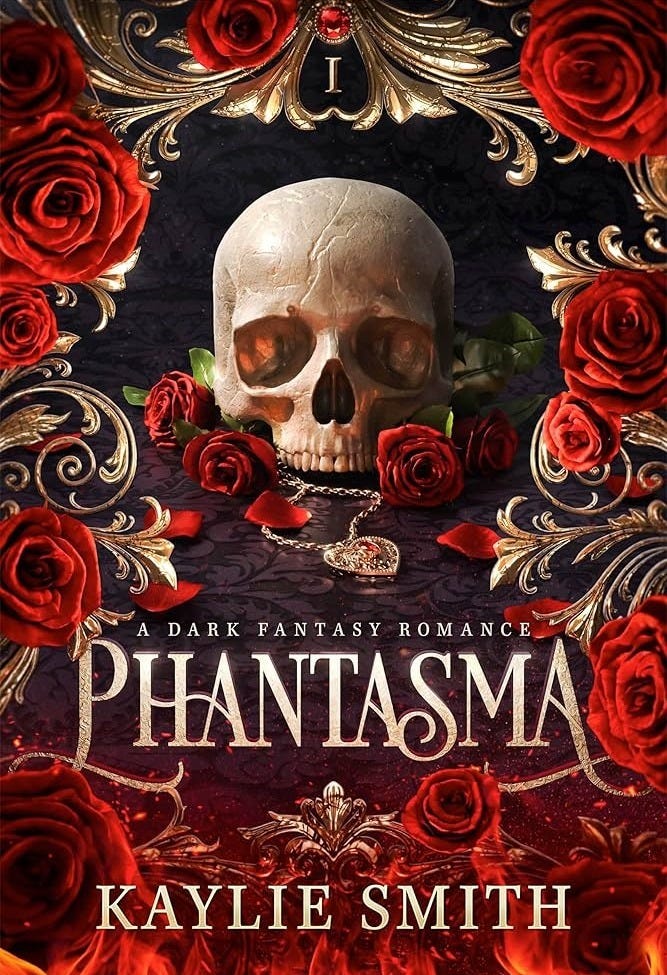
Setting The Scene
As you wander through the mansion's winding halls and quirky architecture, you get pulled into a world where reality takes a backseat and the supernatural is in full swing. The ghostly whispers floating through the walls and the flickering shadows in every corner keep you on edge, making every moment feel like you're stepping into the unknown. Ophelia’s journey ties right in, her struggles mirroring the mansion's unpredictable vibe.
New Orleans, with its rich history and vibrant culture, isn't just a backdrop; it cranks up the story's gothic feel and adds layers to the narrative. The city's unique mix of cultures and colorful past give the tale an authentic vibe that perfectly matches the mysterious happenings in Phantasma. Sure, some folks wanted more of New Orleans itself, but the hints of voodoo, jazz, and Southern gothic traditions add just the right spice to the story’s mood.
With this detailed world-building, Smith not only hooks readers with a spooky atmosphere but also invites them to dive into the mysteries and histories lurking in the shadows, just waiting to be uncovered.
Character Depth
Ophelia Grimm is quite the intriguing main character, as she navigates through grief, responsibility, and OCD. Her inner battles are handled with care, giving us a real and genuine look at mental health.
Then there's Blackwell, the mysterious phantom and Prince of Devils, who makes for a morally complex match to Ophelia. Their relationship grows through a slow-burn romance that's full of tension and emotional layers. Some readers really liked the gradual build-up, but others thought the romance moved a bit too fast and could have used more buildup.
Plot Theme
The novel combines supernatural elements with the peculiarities of a haunted mansion, creating a story that's both eerie and touching. Ophelia has a strong commitment to her sister and the courage to confront her own mental challenges, highlighting her resilience and bravery. Her personal journey unfolds alongside the Phantasma competition, where each challenge tests her fears and aspirations.
As the narrative progresses, readers explore the complex relationships between the characters and the mansion, which mirrors Ophelia’s inner turmoil. The mansion’s shifting nature reflects her struggles with control and uncertainty, emphasizing themes of identity and self-acceptance.
In Phantasma, Kaylie Smith weaves a narrative that blends suspense with emotional depth, offering a thoughtful exploration of the human psyche within a gothic mystery setting. The book's ability to merge psychological insight with dark fantasy makes it appealing to those who appreciate stories that are both challenging and engaging.
Plotting & Pacing
Even though the pacing's a bit off, the trials are super detailed and each one throws a different curveball at Ophelia, showing new sides of her character and really testing her. They're packed with symbolism, highlighting both the external threats she faces and her internal battles. This layered approach adds depth to the story, letting us connect with Ophelia's journey in more ways than one.
As she makes her way through these trials, Ophelia meets friends and foes who all help her grow, leading to surprising alliances and betrayals that keep us guessing. The competitive vibe cranks up the tension, with Ophelia having to deal not just with the spooky challenges of the mansion, but also the ambitions and secrets of the other competitors.
Through this tangled mess of challenges and relationships, Smith spins a story that's about personal growth and self-discovery just as much as it's about survival and competition. Even if the pacing trips up now and then, the emotional and psychological depth of the tale keeps us hooked on Ophelia's mission to save her sister and face her own demons.
Writing Style
Smith's writing style is nothing short of captivating, with its striking descriptions and a gothic vibe that pulls readers right into the haunting world of Phantasma. The way Smith crafts the scenes is like painting with words, each brushstroke adding layers of mystery and allure that make the realm feel both beautiful and eerie. It's the kind of storytelling that grabs you by the collar and doesn’t let go until you’re neck-deep in its chilling, yet oddly enchanting atmosphere.
The atmospheric prose brings out the best of both worlds—dread and romance. It’s like a dance between shadows and candlelight, where you’re equally thrilled and spooked, and maybe even a little bit in love with the darkness. The tension in the air is almost palpable; you can feel your heart pounding as you turn each page, eager to see what twist or turn awaits. This is what makes Smith's work so engaging—it's a rollercoaster of emotions that keeps you hooked from start to finish.
However, not everyone is entirely on board with every aspect of Smith's style. Some readers have mentioned that the language sometimes gets a bit too ornate, with flowery expressions that seem to tiptoe on the edge of being over-the-top. Plus, there’s the occasional contemporary dialogue that feels a little jarring against the backdrop of a historical setting. It’s like wearing sneakers with a ball gown—just a tad out of sync. But even with these quirks, Smith’s storytelling has a charm that’s hard to resist, making it a fascinating journey into the gothic world of Phantasma.
In Conclusion
Phantasma offers a dark and immersive reading experience that blends gothic horror with romance and psychological depth. While the novel has its flaws, including pacing issues and some underdeveloped elements, its strengths lie in its atmospheric setting, complex characters, and sensitive portrayal of mental health. Fans of dark fantasy romance looking for a haunting tale with emotional resonance may find *Phantasma* a worthwhile read.The novel's exploration of Ophelia's mental health adds a layer of authenticity and depth that resonates with readers, making her struggles relatable and poignant. The depiction of her OCD is handled with empathy and nuance, reflecting the challenges and resilience inherent in such experiences.
Despite its slower pacing, Phantasma captivates with its intricate world-building and the tension that simmers beneath the surface of its characters' interactions. Ophelia's journey is not only a battle against external forces but also an exploration of her own identity and strength. The gothic elements, combined with the psychological insights, create a rich tapestry that invites readers to lose themselves in the hauntingly beautiful narrative.
In conclusion, Phantasma stands out for its ability to weave a tale that is as emotive as it is mysterious, making it a compelling choice for those who appreciate a deep, gothic tale that lingers in the mind long after the last page is turned.
Recommended For:
Readers who enjoy gothic settings and dark fantasy romance.
Fans of novels like *Caraval* by Stephanie Garber and *The Serpent and the Wings of Night* by Carissa Broadbent.
Those interested in stories that explore mental health within a fantastical context.
Not Recommended For:
Readers seeking a lighthearted or fast-paced narrative.
Those uncomfortable with explicit content or dark themes.
